
Taxation system in Pakistan
The taxation system in Pakistan is split into two tiers based on the Constitution of Pakistan (Federal Legislative List):
- Federal Taxes: Administered by the central government. This includes Direct Taxes (Income Tax for corporations and individuals) and Indirect Taxes (Sales Tax on Goods, Federal Excise Duty, and Customs Duties).
- Provincial Taxes: Administered by individual provinces. This includes Sales Tax on Services, Agricultural Income Tax, Property Tax, Stamp Duties, and Motor Vehicle Taxes.
Core Institutions of Tax Collection in Pakistan
Pakistan relies on five primary revenue collection engines to power its economy:
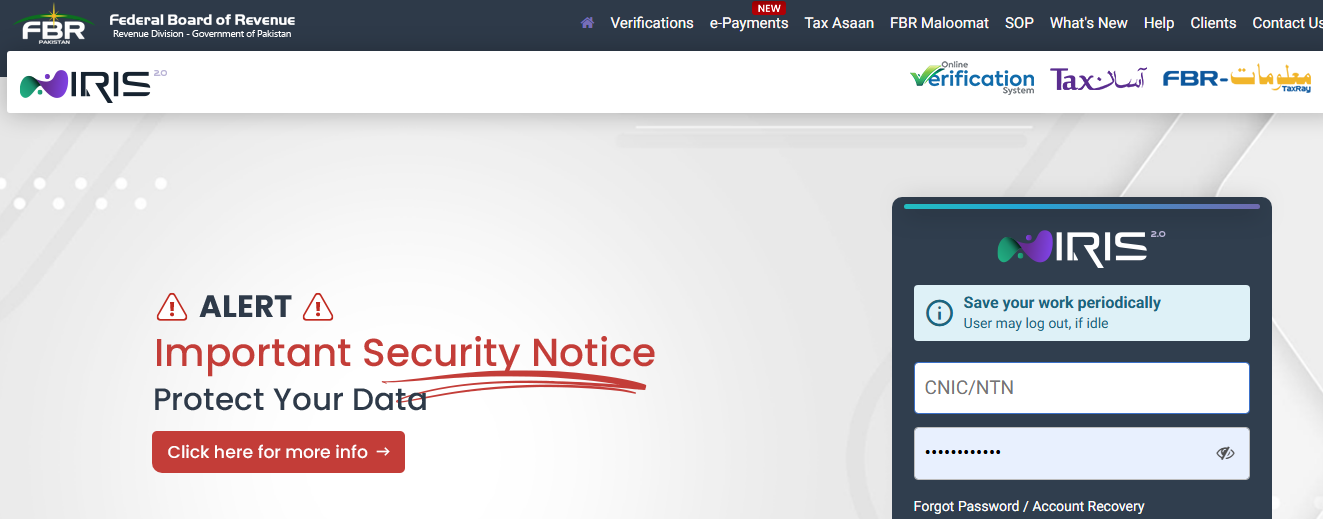
1. Federal Board of Revenue (FBR)
The FBR is the apex federal tax authority. It collects the vast majority of national tax revenue through two main wings:
- Inland Revenue: Manages Income Tax, Sales Tax on Goods, and Federal Excise Duty (FED).
- Pakistan Customs: Controls and collects duties on imports and exports at all national borders and ports.
2. Punjab Revenue Authority (PRA)
Operating in Punjab, the PRA is responsible for collecting Sales Tax on Services. It is highly digitized and manages revenue collection across major service sectors like tech, hospitality, and banking within the province.
3. Sindh Revenue Board (SRB)
The SRB handles service tax collection for Sindh. It is heavily focused on Karachi’s massive financial, corporate, and shipping service sectors.
4. Khyber Pakhtunkhwa Revenue Authority (KPRA)
The KPRA manages and collects sales tax on services within the Khyber Pakhtunkhwa province, driving regional revenue growth.
5. Balochistan Revenue Authority (BRA)
The BRA is responsible for administering and collecting sales tax on services across Balochistan.
6. Provincial Excise, Taxation & Narcotics Control Departments
Separate from the service revenue boards, these provincial departments collect specific localized taxes, including Motor Vehicle Tax, Urban Immovable Property Tax, and Professional Tax.